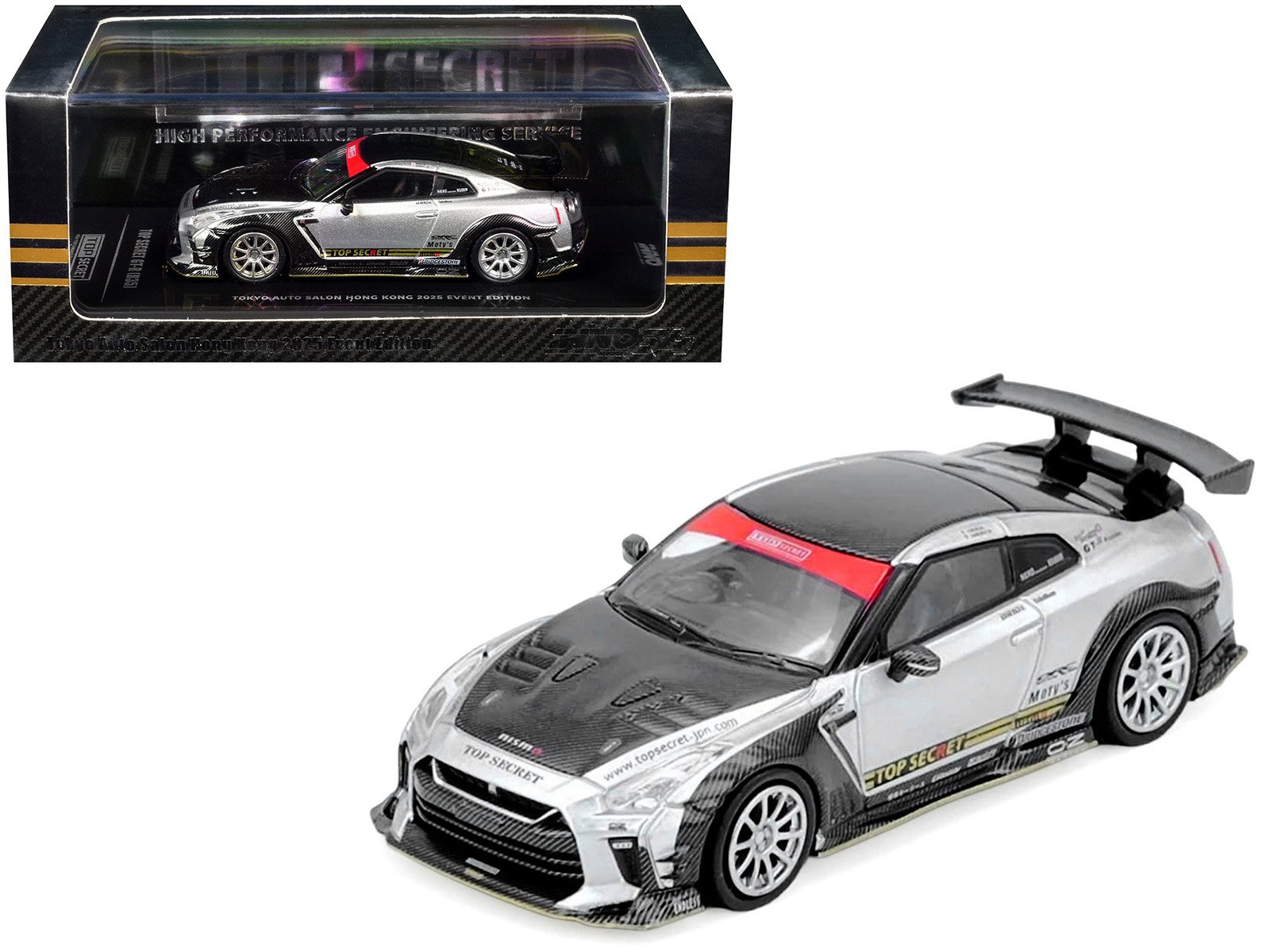
$46.74
Scale modeling is a captivating hobby that appeals to individuals of all ages. It offers a perfect blend of artistry, precision, and historical appreciation. Whether you're a novice looking to start your first model or an experienced hobbyist seeking new techniques, this ultimate guide will equip you with a comprehensive set of tips and tricks to enhance your scale modeling journey.
Embarking on a scale modeling project requires careful planning and preparation. Begin by selecting a model kit that aligns with your interests and skill level. Ensure you have essential tools such as hobby knives, sandpaper, paints, brushes, and a quality adhesive. Setting up a dedicated workspace with ample lighting and adequate ventilation is crucial for an enjoyable and efficient building process.
Mastering fundamental building techniques is essential for achieving a polished end result. Start by carefully removing parts from the sprues and cleaning them to ensure a precise fit. Use sandpaper and files to refine edges and remove imperfections. Employing liquid cement or super glue with precision will help secure components seamlessly.
As you progress, experiment with advanced techniques like seam filling, custom modifications, and scratch-building to elevate the level of detail in your models. Remember to refer to reference materials and online tutorials for guidance on challenging construction aspects.
Painting is a critical phase that brings your scale model to life. Selecting the right color palette and finishes can significantly impact the visual appeal of your creation. Practice different painting methods such as dry brushing, washes, and airbrushing to add depth and realism to your models.
Detailing plays a vital role in enhancing the authenticity of your scale model. Pay attention to intricate elements like decals, panel lines, and weathering effects to replicate real-world textures and finishes. Experiment with weathering powders, pigments, and washes to create convincing aging and wear effects.
Once you've completed your scale model, the next step is to showcase it effectively. Investing in display cases or shelves will not only protect your models from dust and damage but also accentuate their visual appeal. Consider creating thematic dioramas or using dynamic poses to create engaging displays that tell a story.
Networking with fellow modelers through online forums, social media groups, or local clubs can provide valuable feedback and inspiration for displaying your models creatively. Participating in model exhibitions and competitions can also offer opportunities to showcase your work to a wider audience and receive recognition for your craftsmanship.
Scale modeling is a rewarding and fulfilling hobby that allows enthusiasts to express their creativity, attention to detail, and passion for history. By incorporating the tips and tricks outlined in this guide into your modeling practice, you'll elevate your skills and create captivating scale models that reflect your dedication and artistry. Embrace the journey of building and displaying scale models, and let your imagination soar as you bring miniature worlds to life.