$10.03
Updated on: 2025-12-28
Looking to elevate your display, gift list, or desk setup with miniature diecast cars that deliver authentic detail without the premium price tag? This guide shows how to choose the right scales, brands, and feature sets so your collection looks cohesive and premium. You’ll see where metal construction, licensed liveries, and working parts truly matter—and how to get them without overspending. We’ll also point to specific ready-to-ship picks collectors love and share practical care tips so every model keeps its out-of-box sparkle.
Great die-cast vehicles transform any shelf into a lifelike street scene. Whether you’re starting fresh or refining a long-running lineup, the right combination of scale, brand, and features brings your theme together. You’ll find that licensed paint, crisp tampos, and tight panel gaps aren’t just for high-end collectibles—many accessible series deliver those details too. Below, you’ll learn how to pick models that photograph well, pair naturally with dioramas, and feel solid in the hand, all while keeping your budget in check.
When I rebuilt my office display, I shifted from a mixed-scale assortment to a focused 1:64 theme. The difference was immediate: everything lined up, scenes clicked, and rolling stock finally felt “real.” One standout piece was a mid-century pickup with period-correct wheels and brightwork; it anchored a vintage service-station diorama and set the tone for the whole shelf. Soon after, a modern transporter and a late-’60s muscle car joined in—each metal-bodied, each with clean factory colors—and suddenly my display told a story, not just a list of model numbers.
Scaled replicas reward collectors with accuracy, tactile weight, and display-ready charm. Focus your collection by scale and theme, then choose brands known for sharp finishes and licensed details. When you’re ready to grow, anchor your shelf with a signature piece and add complementary vehicles to fill the scene. For a vintage hero, consider the Belvedere; for a bold muscle-era focal point, the GTX is a strong match; to bring motion to your streetscape, add the UPS rig. Ready to upgrade your lineup with miniature diecast cars? Explore the highlights above and build a cohesive, eye-catching display one smart addition at a time.
Note: Always handle collectibles with care and keep them away from prolonged direct sunlight to preserve finishes.
If you’re building a display on a bookshelf or desk, 1:64 is the most versatile choice. It offers the widest vehicle variety, from classics to modern service fleets, while keeping footprints small for dioramas and garages. Consistent scaling also helps your eye read the scene as authentic: building sizes, road widths, and wheelbases align naturally. If you prefer larger presence and more visible interiors, 1:43 or 1:24 can be great, but they demand more space and higher budgets per piece. For most collectors, 1:64 balances realism, cost, and display flexibility.
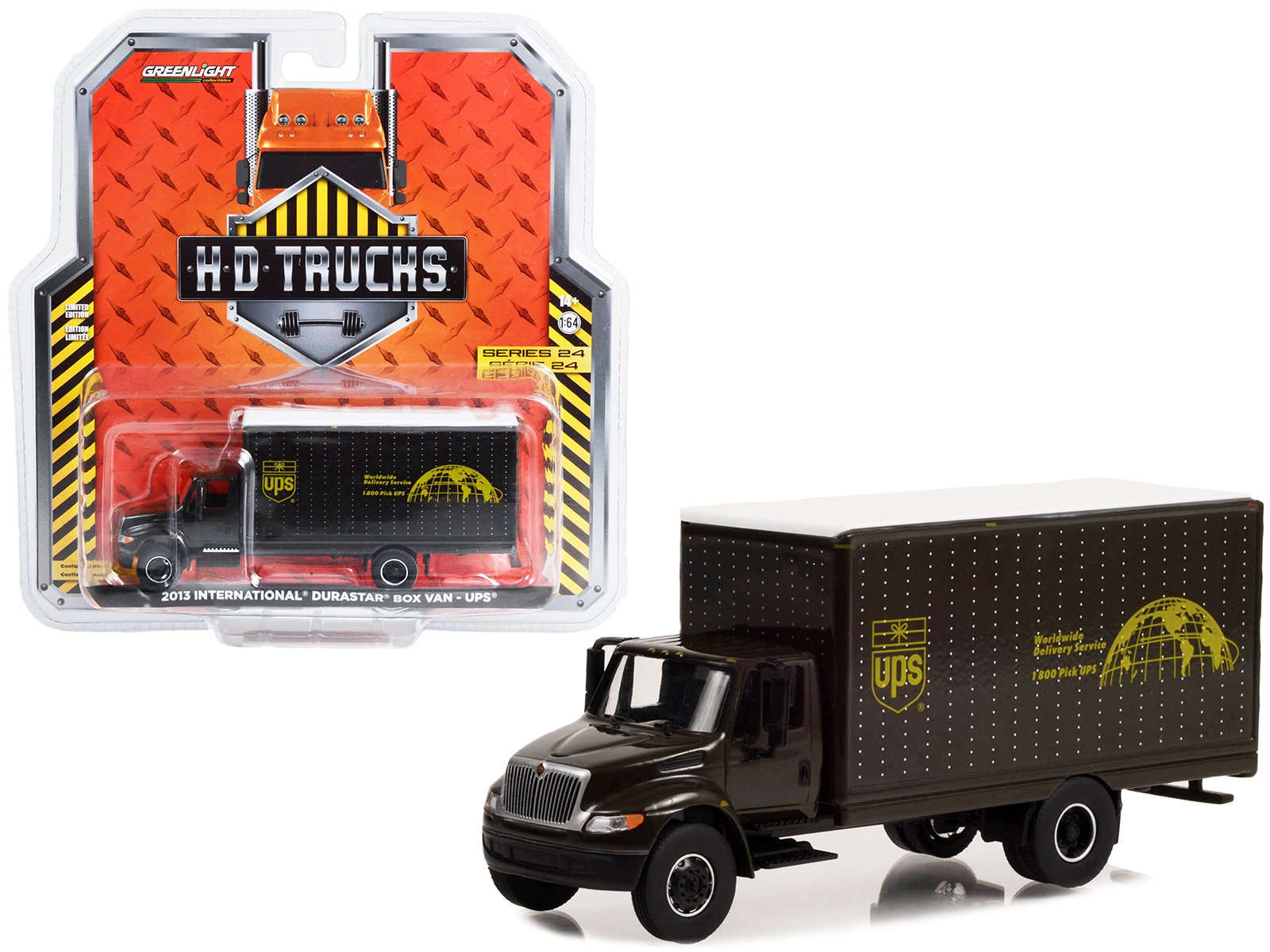
Look for lines known for crisp tampos, metal bodies, and accurate stance. GreenLight shines for licensed themes and event tie-ins, often with rubber tires and sharp period details. Pair a classic like the Belvedere with a muscle-era icon such as the 1968 Plymouth GTX by GreenLight for a two-car focal point. For work and logistics scenes, a realistic transporter like the UPS Tractor-Trailer 1:64 adds scale and story. For vintage utility, a metal-bodied truck such as the 1956 Ford F-100 complements muscle and cruiser-era shelves.
Display your models in enclosed cases or shelves to reduce dust and accidental knocks. Clean lightly with a soft makeup brush or microfiber cloth; avoid harsh chemicals that can dull paint or lift tampo printing. Keep them away from prolonged direct sunlight and high humidity, which can fade colors and affect decals. If your model has opening parts, operate them gently and sparingly to reduce hinge wear. For long-term storage, keep original packaging, wrap loosely in acid-free tissue, and avoid stacking heavy boxes directly on rooftops or hoods.
Written by the team at DiecastModeler.com , longtime collectors and product specialists focused on scale vehicles and display accessories. We test-fit models into real dioramas, photograph them under natural light, and evaluate quality where it counts. If you have questions about pairing eras, choosing scales, or staging scenes, we’re here to help. Thanks for reading and happy collecting!
The content in this blog post is intended for general information purposes only. It should not be considered as professional, medical, or legal advice. For specific guidance related to your situation, please consult a qualified professional. The store does not assume responsibility for any decisions made based on this information.